Walk-In Tubs Services for Wilkinsburg Homes
Request an estimate
A safer bath starts with a good look at the room you already have. This page walks Wilkinsburg homeowners through the warning signs behind a tub, what older homes tend to hide, and how a typical job unfolds from first visit to final test. Limitsupported Walk-In Tubs is a referral service that matches you with independent local providers for walk-in tubs and accessible showers. The providers do the work. You get a checklist of questions to ask before you say yes.
Signs your bathroom is hiding a problem
Before you pick a tub, look hard at what you have now. Grab a flashlight and check the bathroom:
- A floor that feels soft or bouncy near the tub.
- Caulk that keeps turning black or peeling.
- Stains on the ceiling in the room below.
- A musty smell that comes back after cleaning.
- Tiles that sound hollow when you tap them.
- A tub that wobbles when you step in.
Any of these can mean water has been going where it should not. Press gently, take dated photos, and write notes. Do not pry up tile or cut drywall just to see how bad it is. Hand that part to a provider who can open it up safely. Providers can often help document damage for a claim, and some policies may cover sudden damage, so check your policy.
Homes in the Wilkinsburg area and what they mean for a tub
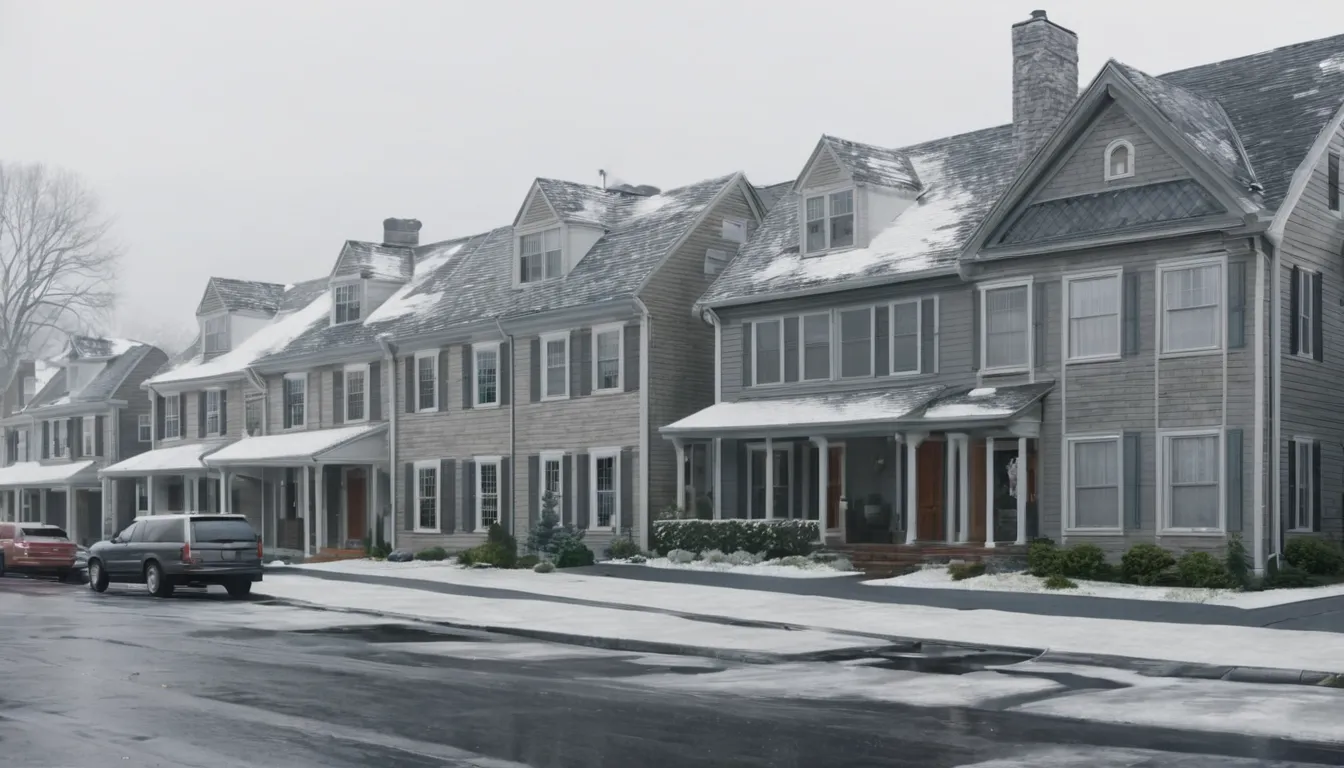
Older housing stock is common across this region. Many bathrooms are small, with narrow doors and a tub wedged into a tight alcove. Cape Cod style homes often tuck the bath under a sloped ceiling. Full basements, stone and block foundations, and multi-family buildings add their own twists: drains that run through odd spots, shared walls, and floors patched over the decades.
Cold winters play a part too. Pipes in outside walls and years of freeze-thaw can leave old fittings tired. Ask any provider how they handle worn shutoff valves and aging pipe.
A walk-in tub is usually deeper and longer than a standard tub, so measure first, then ask. Doorway width, ceiling height, and floor strength all matter. If space is tight, handicap accessible showers may be the smarter fit.
What a typical job timeline looks like
Every home differs, but most projects follow this order:
1. Request and visit. You ask for an estimate. A provider comes out to measure and look at the plumbing. 2. Written quote. You get the scope, the model, and the price on paper. 3. Ordering. The tub or shower base can take a few weeks to arrive. 4. Prep. The old tub comes out, and the floor and walls get checked. 5. Install. The new unit goes in, the plumbing is connected, and seals are set. 6. Test. The provider runs water, checks the drain, and shows you the controls.
Many tub replacement jobs take a few days on site. Repairs found behind the walls can add time. Ask how the provider handles surprises.
Questions to ask, and what a good answer sounds like
- Will you measure the room yourself? Good: yes, and the numbers go in writing. Red flag: a quote from a phone chat alone.
- Who does the work? Good: a plain answer about employees or subcontractors. Red flag: dodging the question.
- What is not in the price? Good: a list that names drain work, permits, and wall repair. Red flag: we'll see.
- What if you find rot? Good: a written change order before extra work starts. Red flag: a verbal okay only.
- What does the warranty cover? Good: manufacturer terms and labor terms spelled out separately.
- Can you show proof of license and insurance where required locally? Good: a quick yes.
Get it in writing, and keep every copy.
What providers typically handle
- Walk-in tub installs, including Senior walk-in tubs with taller seats and built-in grab bars.
- Tub replacement, plus removal of the old unit.
- Walk-in shower conversions with low thresholds and benches.
- Grab bars, non-slip flooring, and handheld sprays.
- Plumbing and electrical hookups.
- Wall and floor repair after the old tub comes out.
Request a callback to check provider availability in Wilkinsburg, or use the request form to describe your bathroom.
What affects the cost
Prices vary by job, so treat these as typical U.S. ranges only. A walk-in tub often runs from about $5,000 to $20,000 installed. A walk-in shower conversion often falls between $3,000 and $15,000. Several things move the number:
- The size and model of the unit.
- Moving drains or supply lines.
- Repairs to a rotted floor or wall.
- Electrical work for jets or heaters.
- Tile, trim, and finish choices.
Get at least two written quotes that list the same items, so you can compare fairly.
Our Services in Wilkinsburg
Why Wilkinsburg Chooses Limitsupported Walk-In Tubs
Spot problems before they grow
A quick walk-through with a flashlight can reveal soft floors, stains, or odd smells. Catching them early keeps the project on track.
Built around older homes
Tight alcoves and aging pipes are common in this region. Providers know how to work around them.
Questions with clear answers
Use the question list to hear what a solid provider sounds like and to notice vague replies or pressure.
Costs you can compare
Typical ranges give you a starting point, and written quotes let you compare providers on the same items.
Start Your Estimate Request Here
- Request a written estimate with no obligation
- Independent providers handle the actual work
- Walk-in tubs and showers
- Plain answers, clear quotes
Get in touch
Tell us about your bathroom and who will use it. Request an estimate and a local provider in our network will follow up, with no obligation.
No obligation